Paver Installation in Florida
Brick and Stone Paver Installation
Luxury Builders Florida installs brick and stone pavers for driveways, walkways and patios across Central Florida, with paver installation built around the state’s sandy soil, heat and heavy summer rain.
- Licensed & Insured Since 2014
- Hundreds of Completed Projects
- Free Estimates on Every Paver Project
Every paver project starts with a material choice, and that choice decides how the driveway, patio or walkway holds up once Florida’s rainy season arrives.
Material and Pattern Options
Brick Reads Traditional, Travertine and Natural Stone Read Custom
Brick Pavers for Driveways and Walkways
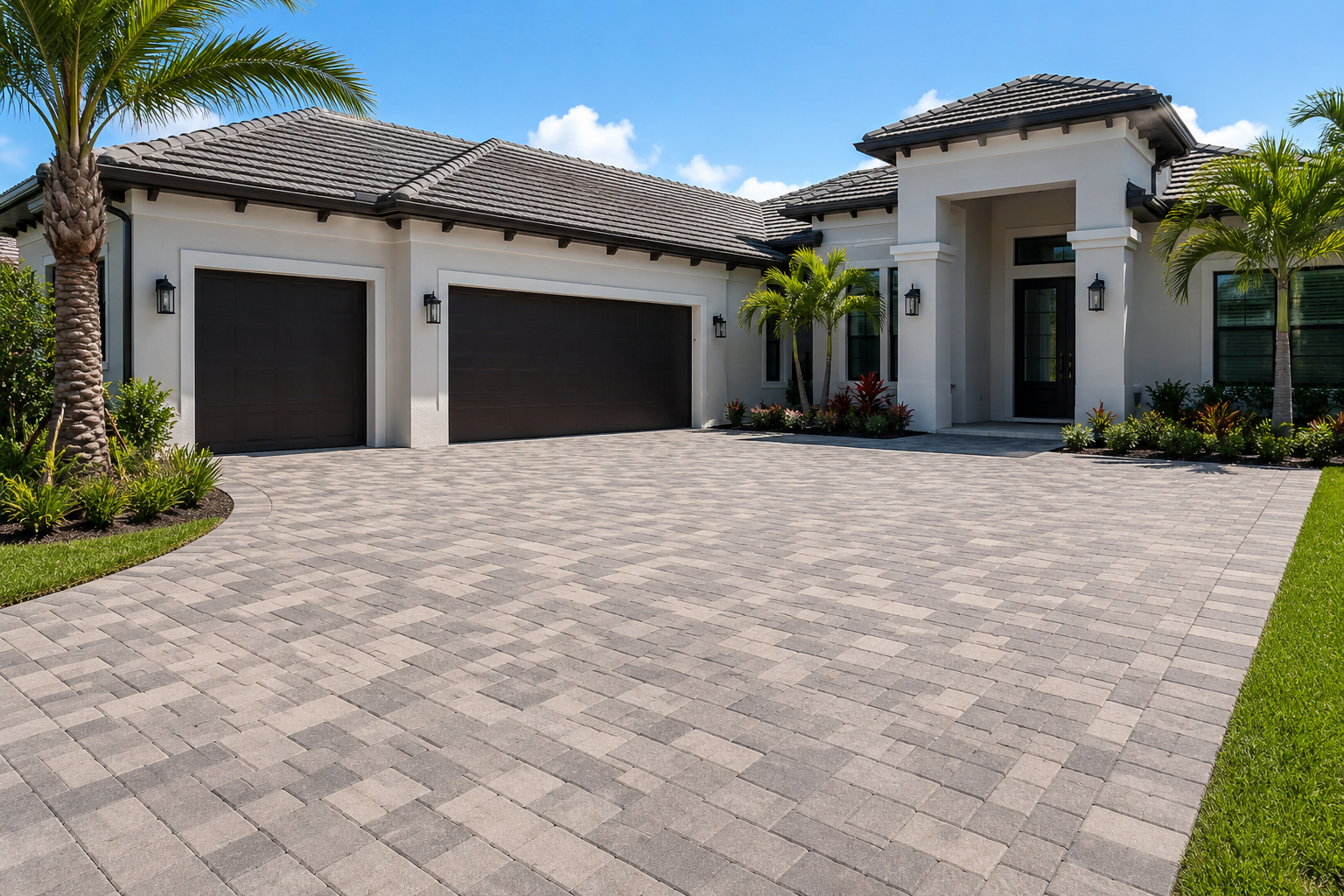
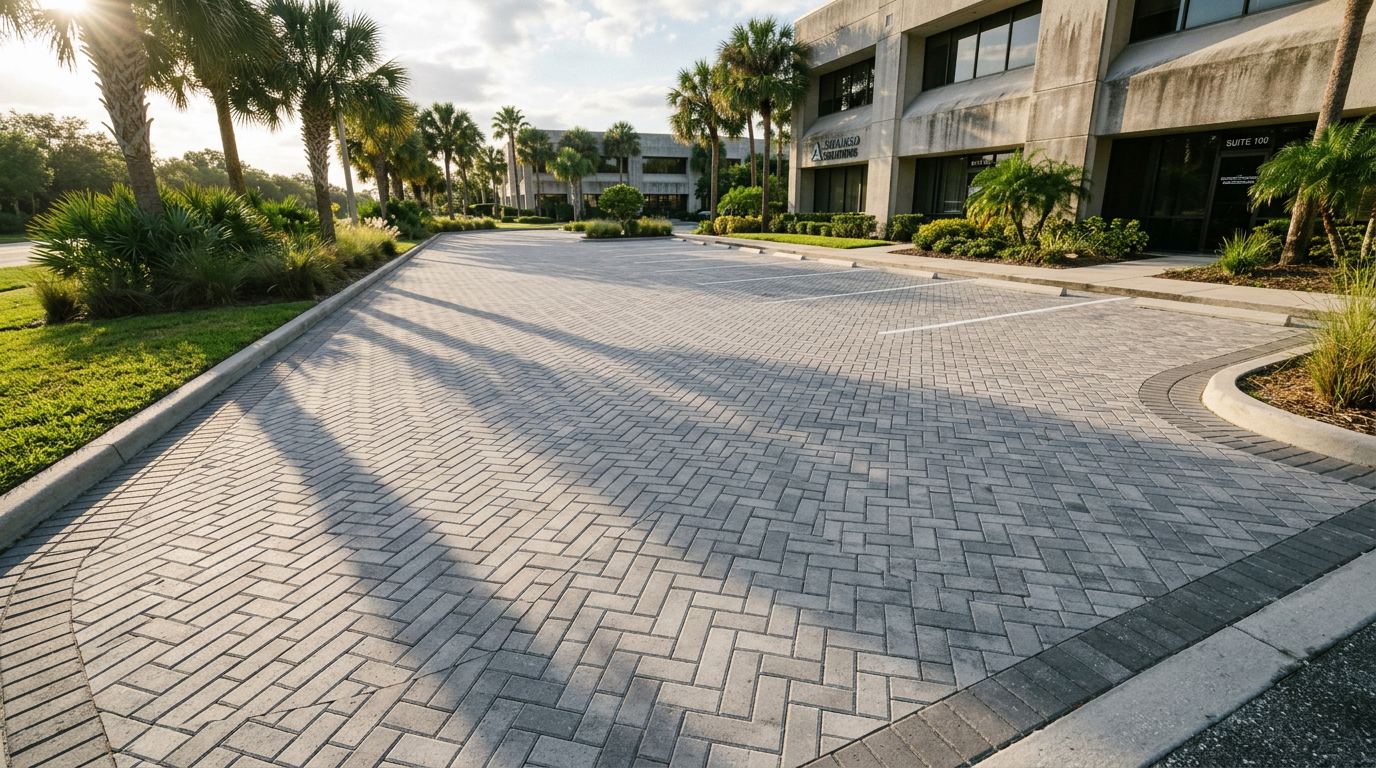
Brick pavers come in red, tan and charcoal blends and are typically laid in a herringbone pattern on driveways, since the interlocking layout resists shifting under the weight of parked cars.
The same brick units work well on walkways and entryways where a traditional, classic look fits the rest of the property.
Travertine and Natural Stone for Patios and Pool Areas
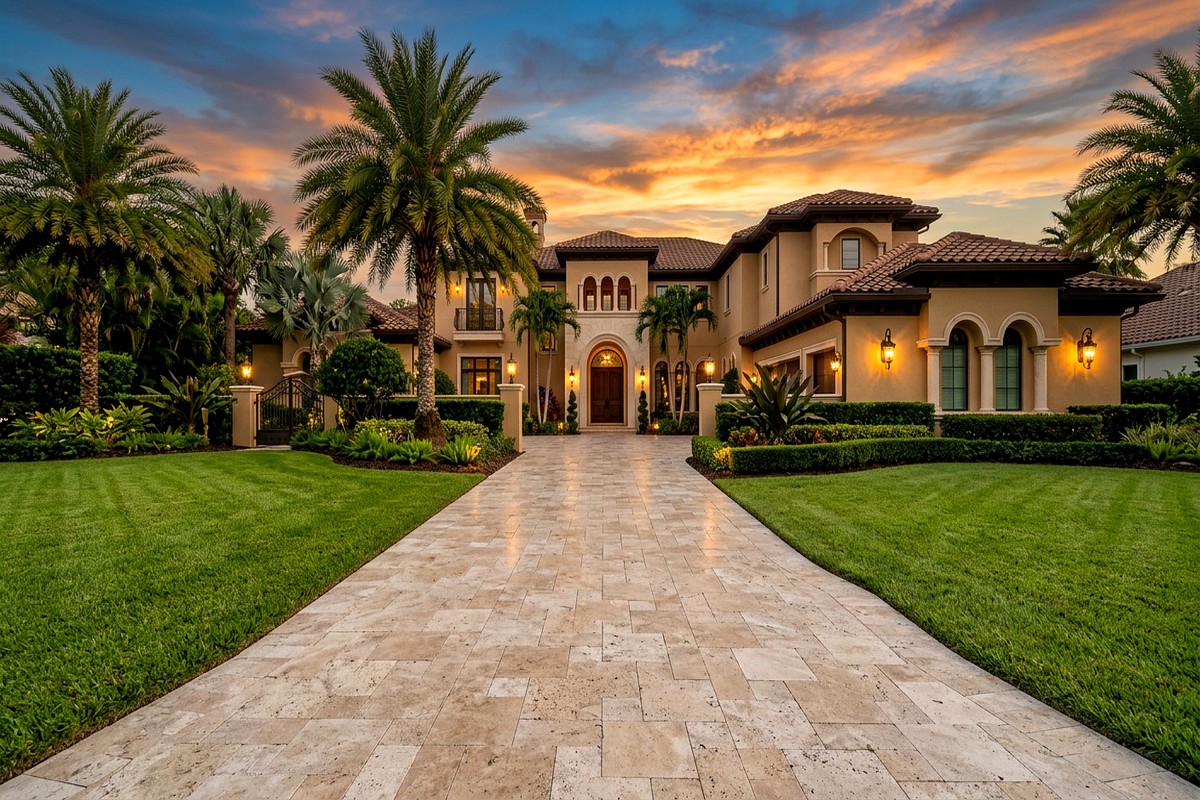
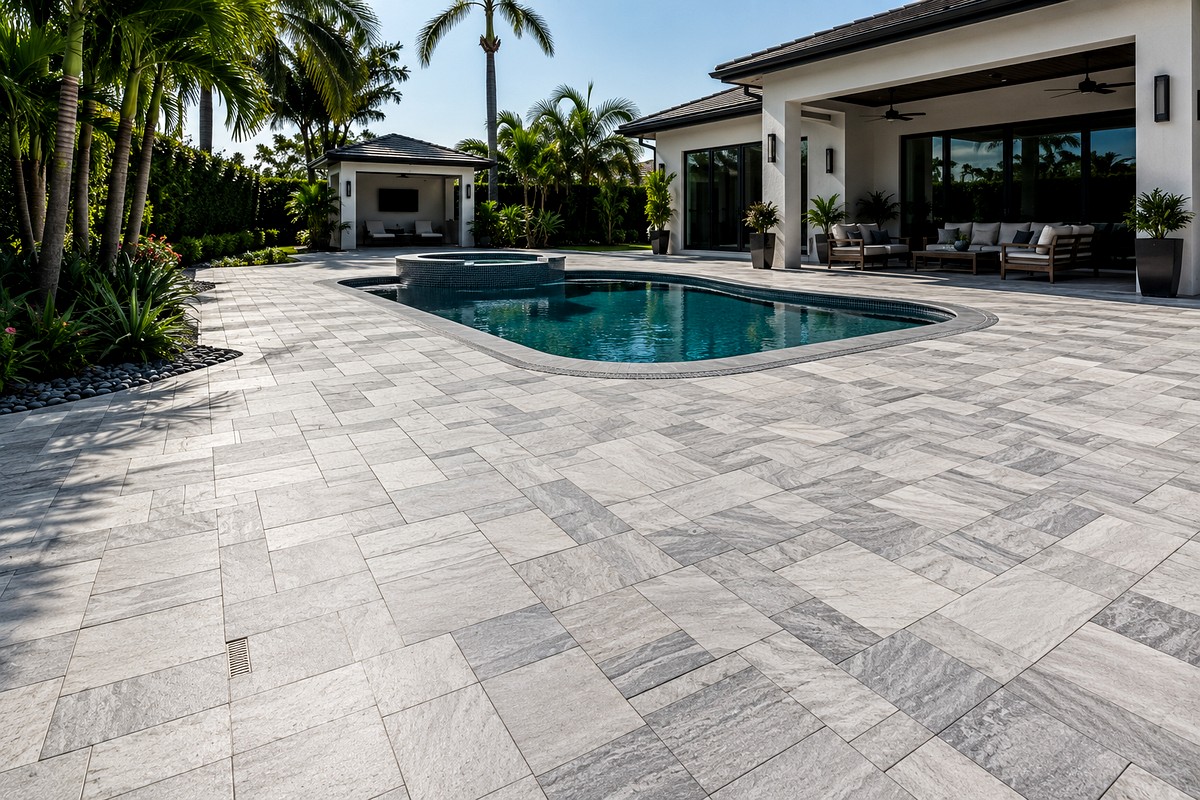
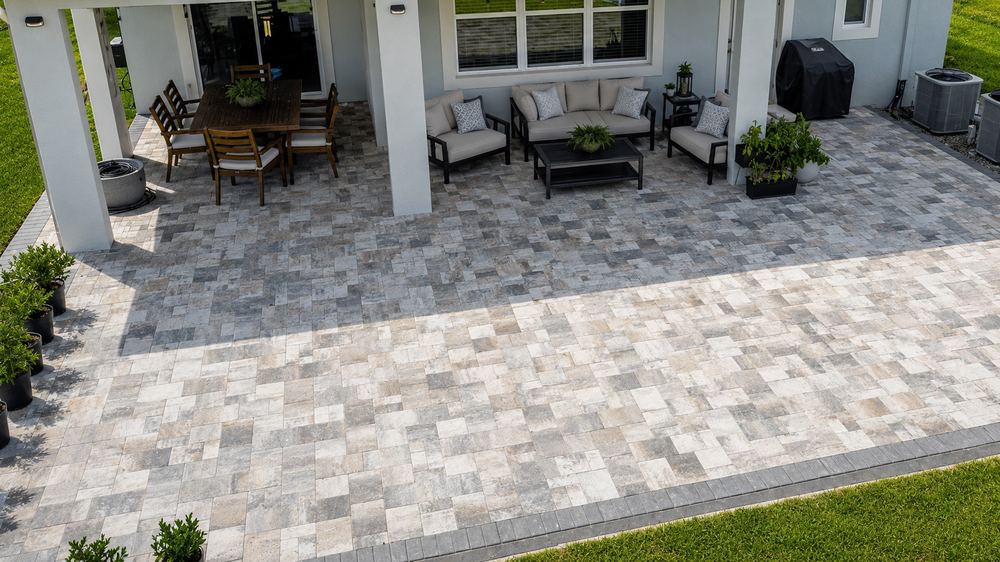
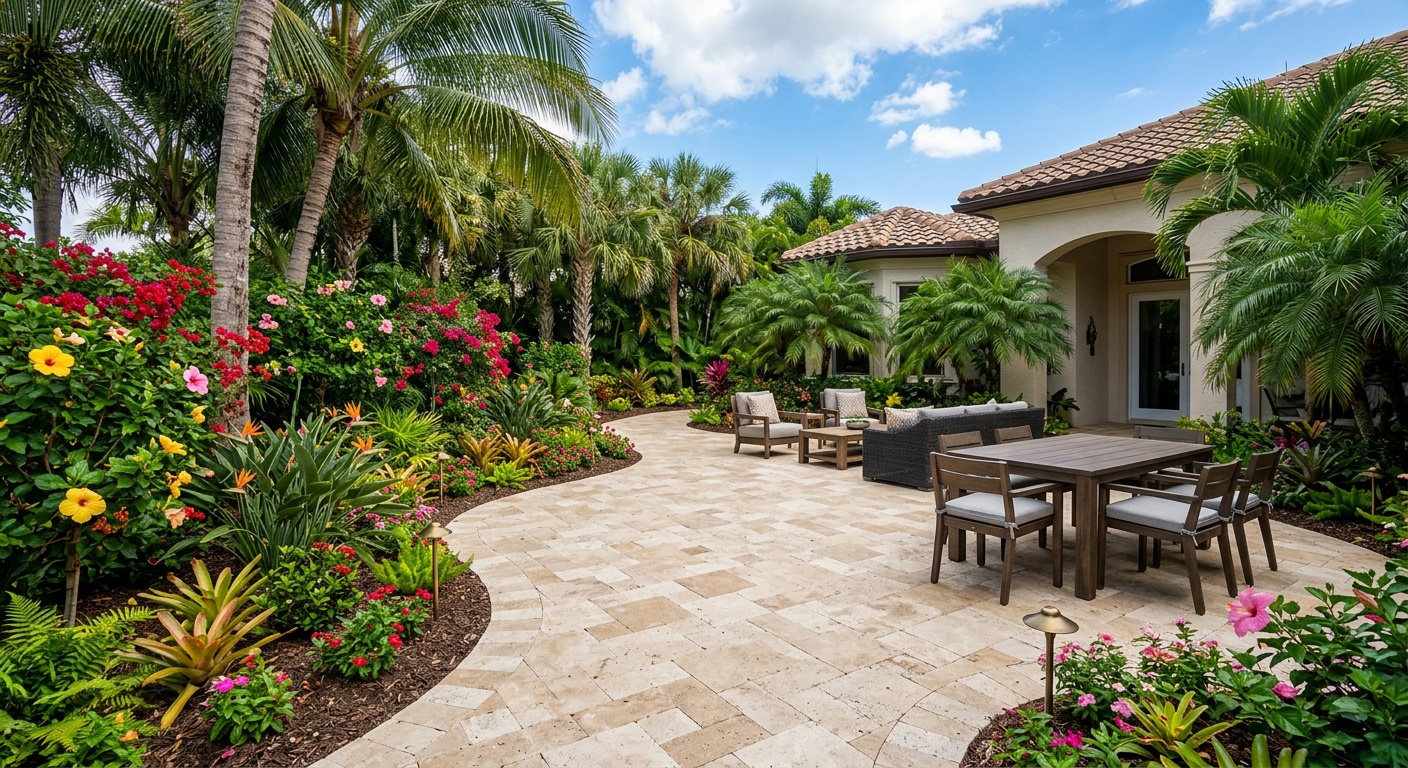
Travertine and natural stone pavers have a quarried, variegated look that reads as custom rather than uniform, which is why they show up often on patios and travertine and paver pool decks.
These materials are usually set in a versailles or ashlar pattern, mixing paver sizes for a less repetitive surface than a single size grid.
Pavers vs. Poured Concrete
A Damaged Paver Gets Reset, Not the Whole Slab Replaced
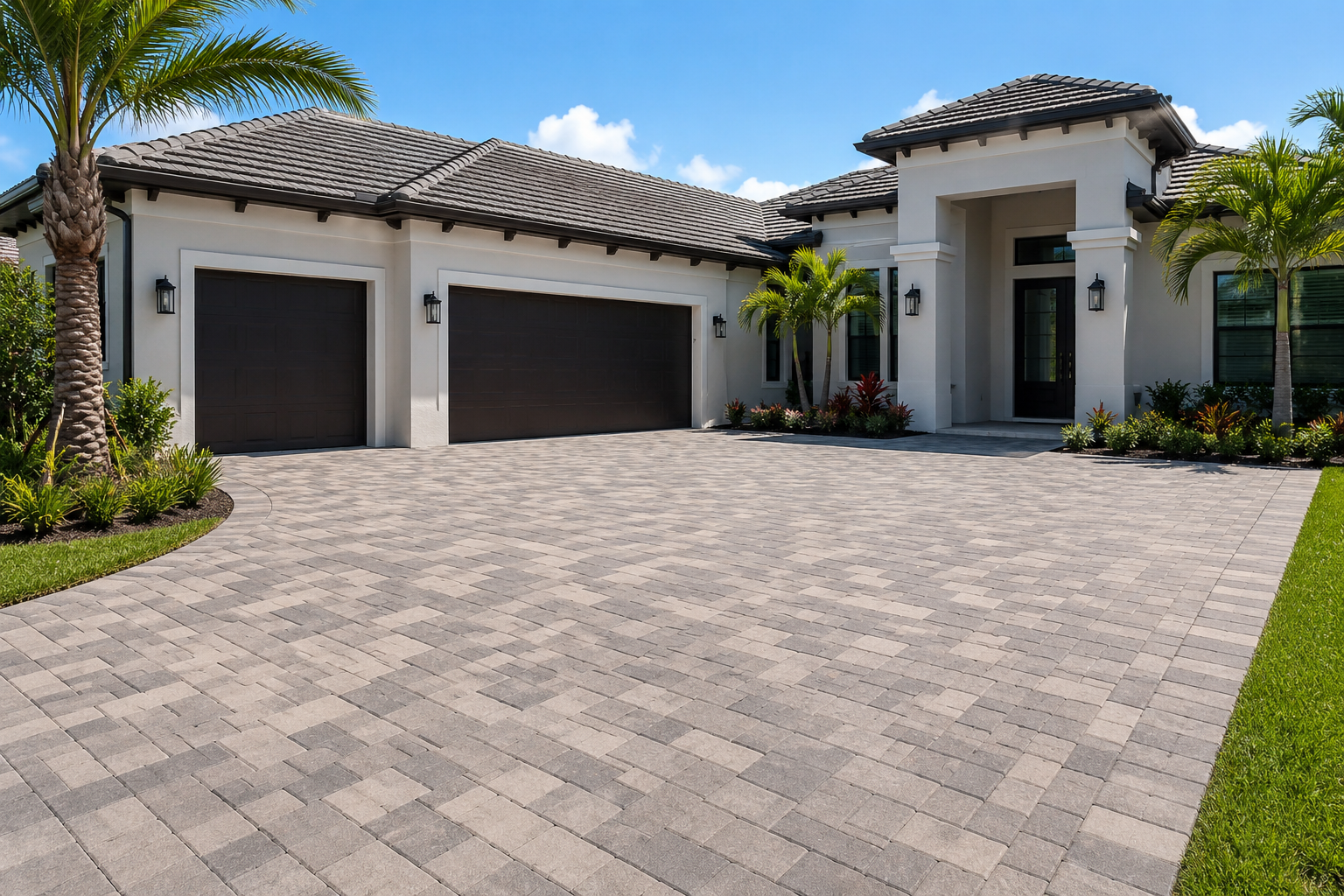
Because pavers are individual units set in sand rather than one continuous pour, a single cracked, stained or sunken paver can be lifted and reset without cutting into the surrounding surface.
A poured slab does not offer that option. A damaged section usually gets patched or repoured, and the new concrete rarely matches the old exactly.
The jointed paver base also flexes with minor ground movement instead of cracking under it, which matters on a lot where the soil shifts after heavy rain.
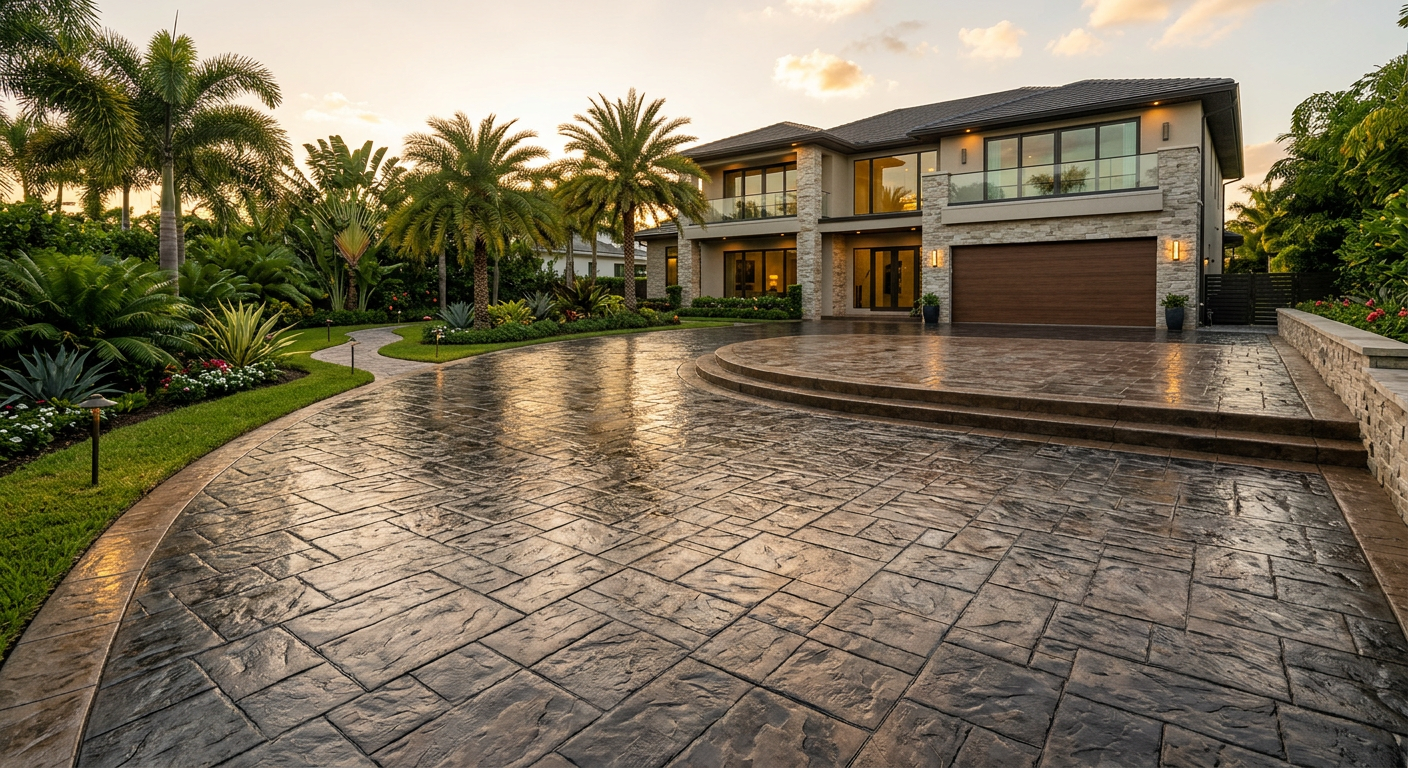
Poured and stamped concrete still has its place. Our stamped and decorative concrete finishes can echo a stone or paver look at a different price point, and it is worth comparing against concrete driveway installation and repair if a single continuous surface suits the property better.
Built for Florida Ground
Sandy, Fast Draining Soil Needs a Different Base Than Clay
Much of Central Florida sits on sandy soil that drains quickly but compacts less predictably than the clay based ground found farther north, so the base course under a paver driveway or patio gets built thicker and checked in stages before the pavers go down.
Summer here means near daily afternoon thunderstorms for months at a stretch, so base compaction and paver setting get scheduled around the forecast, and a bedding layer that drains well matters as much as the pavers on top of it.
We build to that standard for every community we serve across Central Florida, from newer subdivisions to older, established neighborhoods.
Sealing and Maintenance
Joint Sand and Sealant Do the Work After Installation Ends
Polymeric sand swept into the joints locks the pavers in place and resists ants and weeds better than plain sand once heavy rain starts washing across the surface.
A sealant applied once the joints have cured protects color from fading in direct sun, cuts down on the white mineral haze known as efflorescence, and makes it harder for algae and mold to take hold in Florida’s humidity.
Resealing every few years keeps that protection in place, and we can go over a maintenance schedule for your specific material during the free consultation.
Gallery
See the Texture Difference Between Each Paver Material
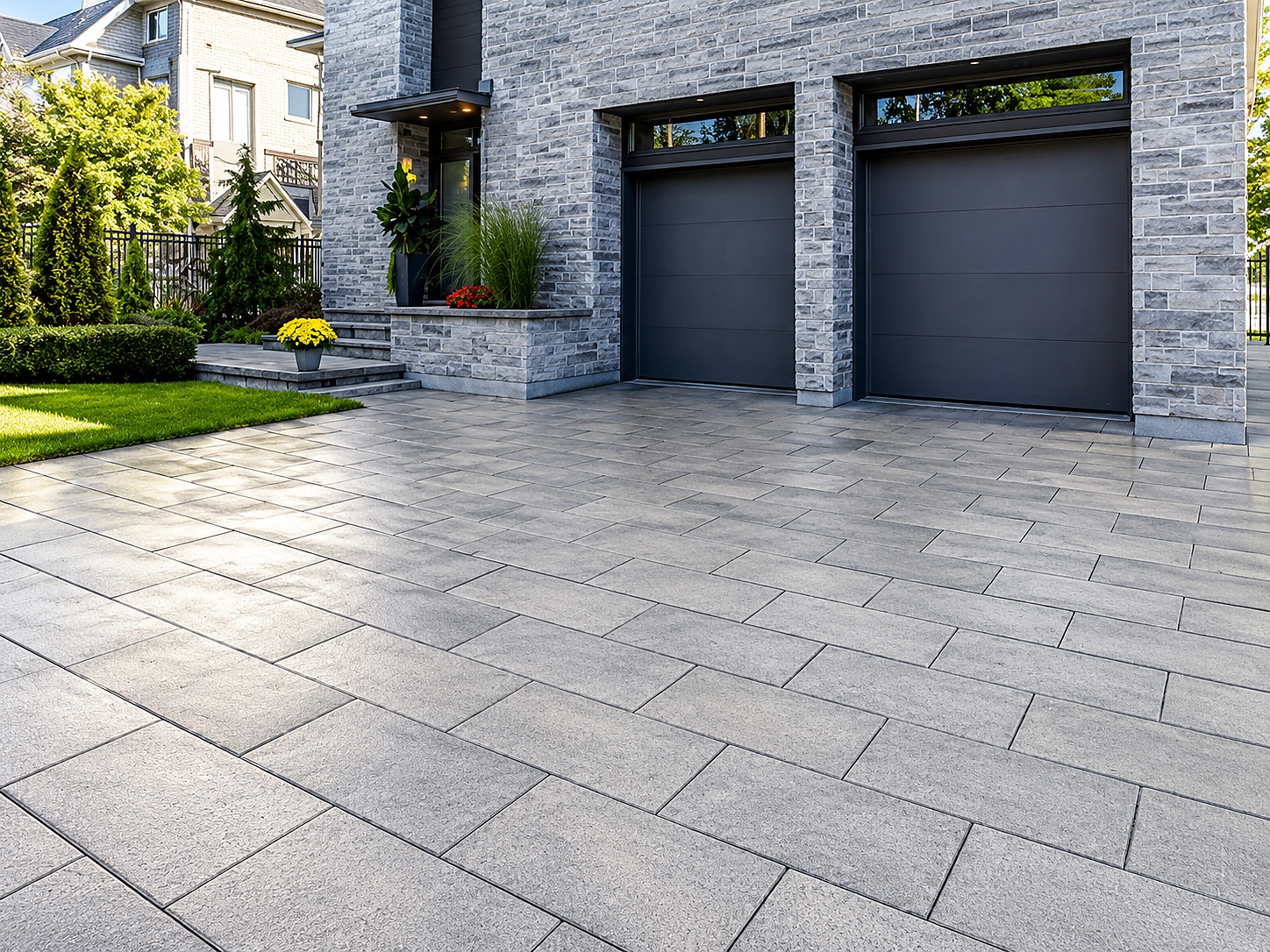
Brick Paver Driveway
Natural Stone Patio
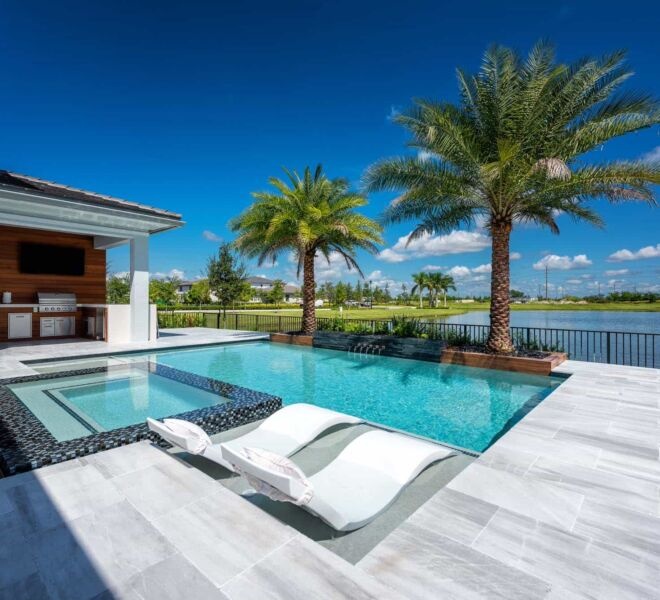
Travertine Pool Deck
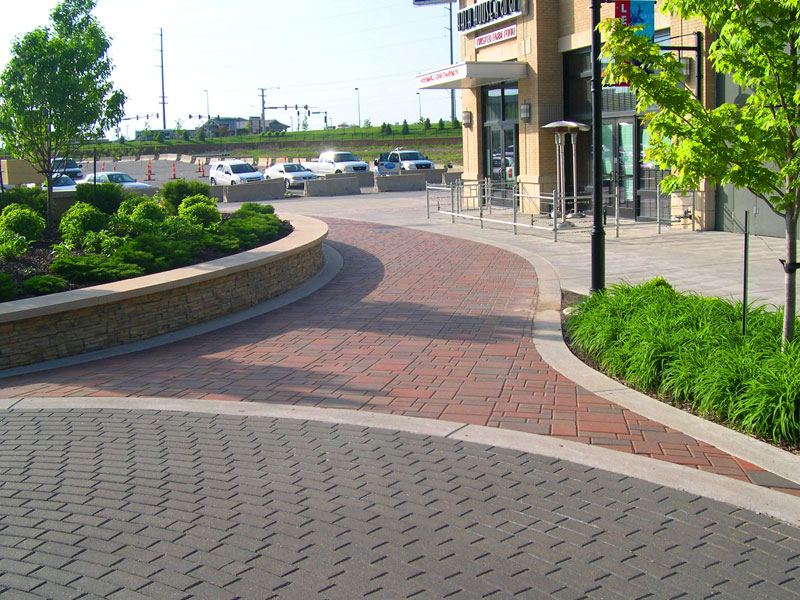
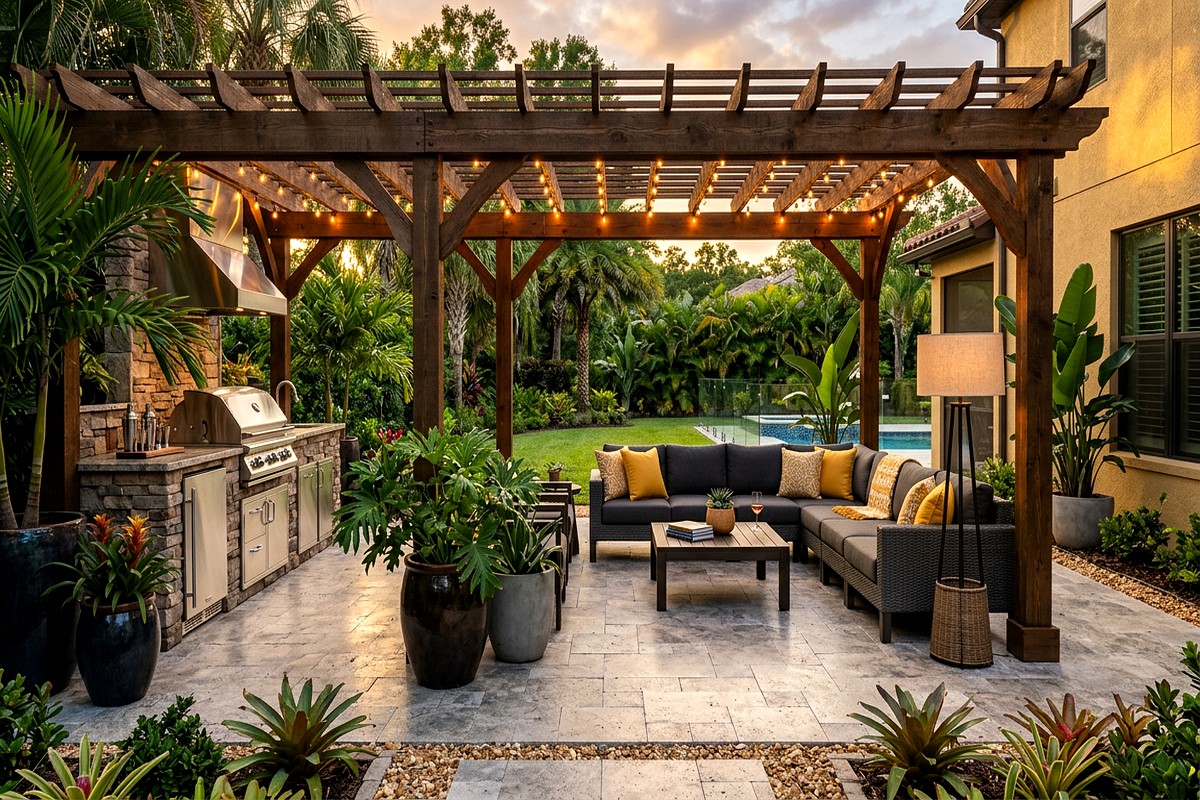
Paver Walkway
Common Questions
Frequently Asked Questions About Paver Installation in Florida
Do I need a permit for a new paver driveway or patio in Central Florida?
Many municipalities require a permit for new paver driveway work because it changes drainage and impervious surface on the lot. We check what your specific city or county requires during the design and quote phase, so it is accounted for before installation starts.
Will my HOA need to approve the paver color or pattern first?
Many planned communities across Central Florida require material and color approval through an architectural review committee before work begins. We design around that requirement and provide the specifications an HOA typically asks to see.
Can pavers go directly over my existing concrete driveway or patio?
It depends on the condition of the existing slab. A stable, properly draining slab can sometimes serve as a base, but a cracked or settling one usually needs to come out first, which we assess during the free consultation.
Do pavers get too hot to walk on barefoot around a Florida pool?
Lighter travertine and light toned pavers stay noticeably cooler underfoot than dark concrete or dark pavers in direct summer sun, which is why lighter tones are common for a pool deck.
How long does a paver driveway or patio installation take?
It depends on the size of the space, the material chosen and the weather during the project, so every quote includes a specific timeline rather than a generic estimate.
Do you install pavers for condo associations and commercial properties, or only homes?
Both. Alongside residential driveways, patios and walkways, we handle commercial paver work for businesses and condominium associations across Central Florida.
Get a Free, No Obligation Paver Estimate
Tell us about your driveway, patio or walkway and we will schedule a free onsite consultation, backed by a written warranty on every completed installation.